

We run several products and brands, and each needs content. Latinos en Tailandia publishes in four languages. Pulsar has its own blog. Invite Letter, our SaaS for handling invitation letters in bulk, needs people to find it.
A separate content process for each would be slow, so we use one article engine. A recent visa guide showed what that looks like when the work is urgent and the facts keep moving.
The engine
Articles live in our own system and are managed in Nebula, our admin panel. Claude reaches them through an MCP connector, which gives it a defined set of actions:
- Create an article as a draft.
- Translate it into each language the site supports.
- Replace exact text in a live article, so a correction doesn't mean resending the whole page.
- Suggest SEO titles and descriptions for a target audience.
- Publish it as a separate step, then ask the website to refresh.
Every save returns a receipt showing the article's status and a fingerprint of each language version, so we can see exactly what changed. Editing a live article needs an explicit confirmation.
How the ecosystem connects
Each brand has its own workspace, with its own articles and settings. One connection can work across the ones it has access to:
- Latinos en Tailandia is the community. It holds the guides, the partner directory and the audience.
- Invite Letter is the product for agencies and visa handlers who bring many travelers to Thailand. The guide tells those readers about it and discloses that it's ours.
- Partners stay in the same loop. The earlier visa article recommends PS Visa, a partner in our directory, through a link to its listing.
- Pulsar documents what we learn. This article was drafted in its workspace from the same conversation that edited the guide.
- Nebula is where a person checks the result and handles what the connector can't, such as uploading an image.
The connection here is editorial and operational. This job touched article content only, not applicants' documents or data.
How we built the article
Thailand changed its entry rules on 15 September 2026. Checking our original article against embassy pages exposed a serious error: it said five countries had no change, when they had lost visa on arrival.
From one conversation, we:
- Compared official notices and press coverage, and kept the findings in a shared research brief.
- Corrected the live article in Spanish, English, Portuguese and Thai, with a note explaining the mistake.
- Created and published a new guide, then linked to it from the original.
- Added anonymous community experiences, labeled as unverified.
- Aimed the search copy at travelers and travel agencies in Mexico, and added a section for agencies.
- Pointed agencies and visa handlers to Invite Letter.
The first version wasn't the final one. A person's corrections shaped most of what readers now see:
- "Check the newspapers." This surfaced a proposal to restore visa-free entry for Mexico and Colombia, which the embassy pages didn't mention.
- "Use this first-hand context." Community members described rejected applications, last-minute approvals and postponed trips. That moved the guide toward real situations, such as family visiting, a rejected visa or a flight that is getting close.
- "Add the inconsistency." The embassy said applications are processed first come, first served, while some community members said travel dates also mattered. Rather than hiding that, the guide has a section on where the sources disagree and says which one it follows.
- "It's too Mexican-centered." Most of our detailed sources were Mexican, and the draft had inherited that bias. We added other embassies' timelines and said openly where the examples come from.
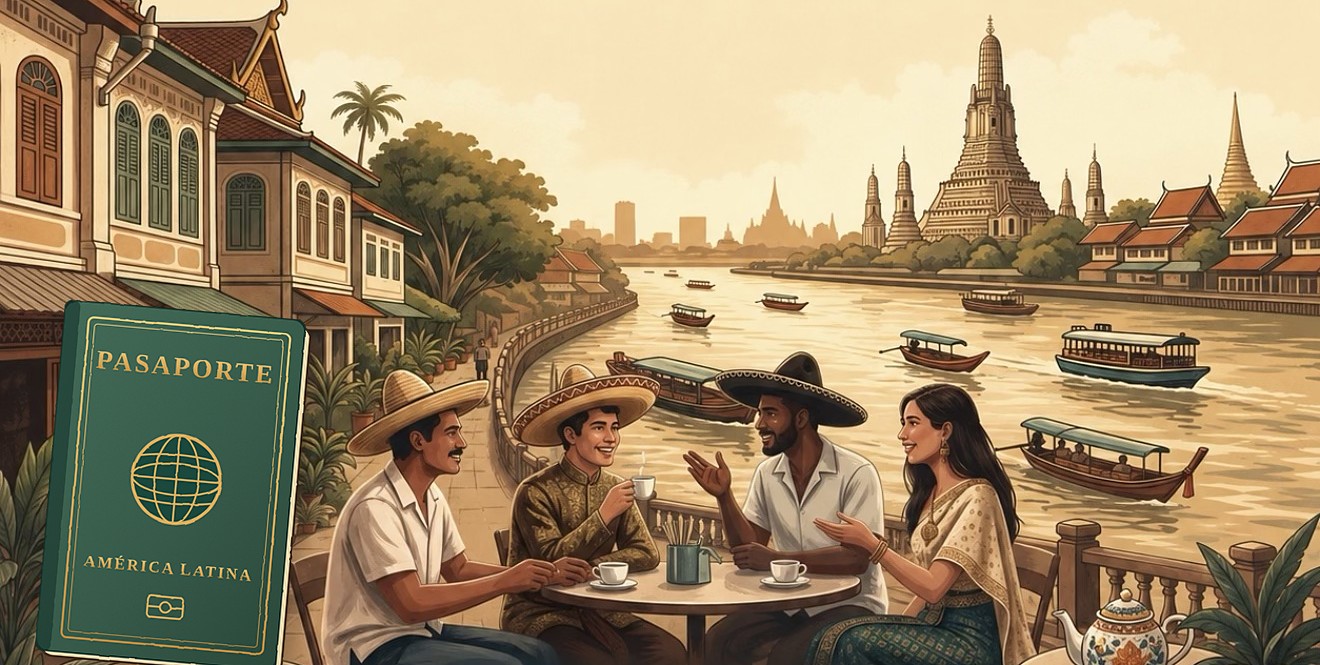
- "Use one of ours." A stock photo chosen without seeing it was replaced by the community's own illustration, with the text removed and a passport added.
- Business context. Only a person knew which recommendation belonged in which article: PS Visa in the original, and Invite Letter in the new guide.
What we learned
1. Small edit tools matter most on live content. Replacing one exact passage across four languages is much safer than regenerating a page people are already reading.
2. Product recommendations need editorial rules. The embassy in Mexico City says an invitation letter comes from the person hosting the traveler. Mentioning our own product didn't change that, so the guide says it next to the recommendation.
3. The engine doesn't decide what's true. During the work, word came in that Mexicans could now enter for 15 days. We found only a proposal moving forward, so the guide kept saying a visa is required.
4. Settle the audience early. We changed the audience several times, which meant rewriting live copy in four languages. Next time, we would decide who the article is for before drafting.
4. Limits should be visible. The connector couldn't change a published date, upload an image or view one, and some translation requests timed out. We built a new article, used Nebula for the image and fixed translations by hand. The Thai version went live before a native speaker's read, a step we now want scheduled immediately after any urgent correction.
Who this is for
- Businesses running several brands or products that share an audience.
- Communities and associations publishing in more than one language.
- Teams whose content must stay accurate as rules and prices change.
We can set this up for your team
We connect your website's articles and your own tools to the AI assistant your team already uses, with your languages and guardrails. A person stays in charge of what goes live, and we keep it running under a monthly plan.
If your content lives in too many places, tell us what you run.